Food Waste
Horeca & Catering Hospitality & Catering
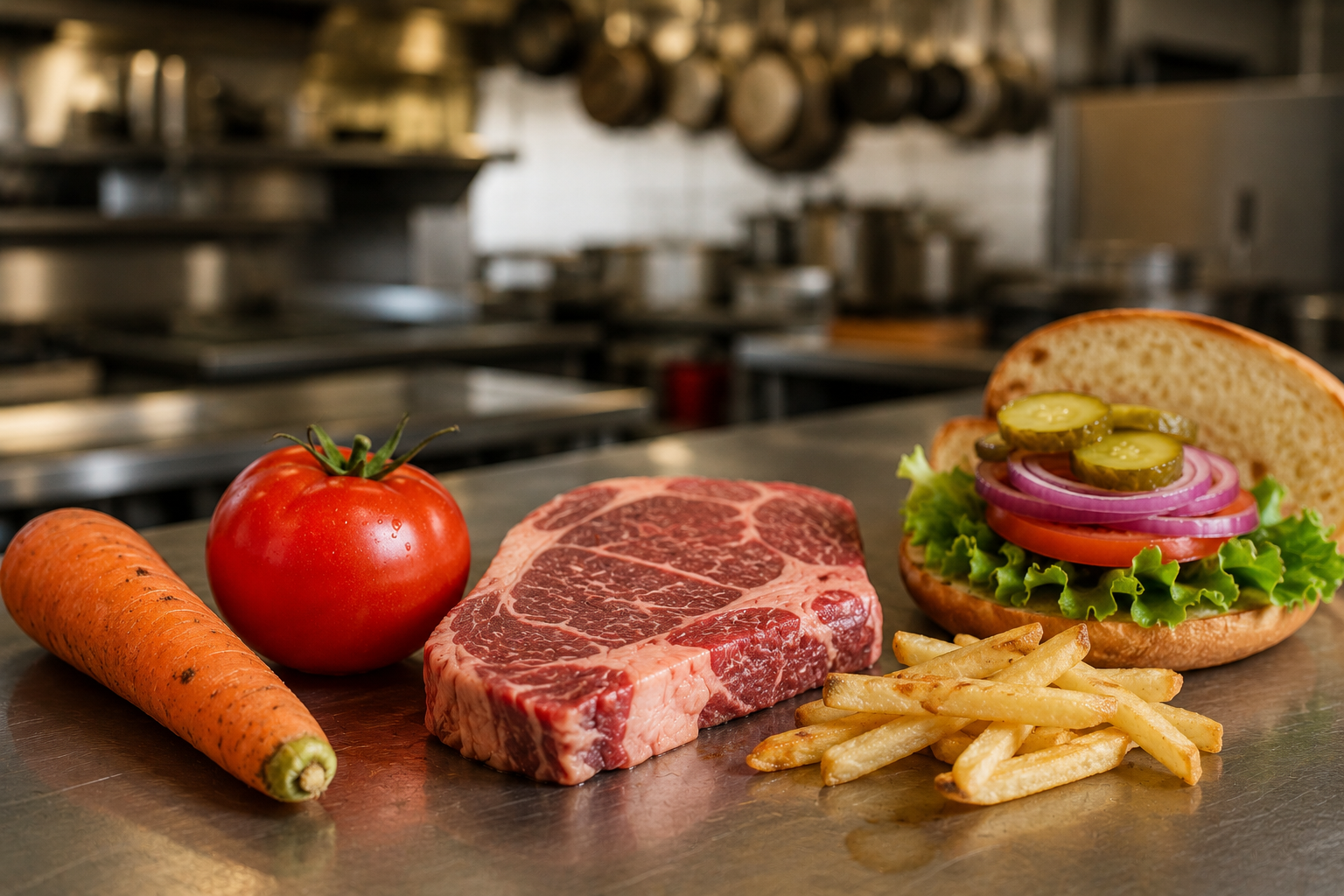
Het Food Waste model is ontwikkeld voor keukens, restaurants en cateringbedrijven die hun voedselafval willen reduceren. Het maakt het kritische onderscheid tussen GFT (rauwe plantaardige resten: schillen, klokkenhuis, koffiedik) en Swill (bereid voedsel, vlees, vis, zuivel, sauzen). Dit onderscheid is essentieel voor correcte verwerking, rapportage én gerichte reductie van voedselafval. The Food Waste model is developed for kitchens, restaurants and catering companies looking to reduce food waste. It makes the critical distinction between organic waste (raw plant residues: peels, cores, coffee grounds) and swill (prepared food, meat, fish, dairy, sauces). This distinction is essential for correct processing, reporting and targeted food waste reduction.
Afvalcategorieën Waste categories
Toepassingen Applications
Beschikbaar op Available on

Healthcare
Zorg & Medisch Healthcare & Medical
Het Healthcare model is gespecialiseerd in medisch en farmaceutisch afval. Het werkt met prioriteitsregels conform de afvalstoffenregeling voor ziekenhuizen: bloedbevattende materialen, cytostatica, naalden en disposables worden elk op de juiste manier gecategoriseerd. De AI maakt onderscheid tussen vloeibaar bloed (SZA), geabsorbeerd bloed (restafval), en andere vloeistoffen (riool). The Healthcare model specialises in medical and pharmaceutical waste. It applies priority rules in line with hospital waste regulations: blood-contaminated materials, cytostatics, needles and disposables are each categorised correctly. The AI distinguishes between liquid blood (SZA), absorbed blood (residual waste), and other liquids (sewer).
Afvalcategorieën Waste categories
Toepassingen Applications
Beschikbaar op Available on
Supermarkt
Retail & Food Retail & Food
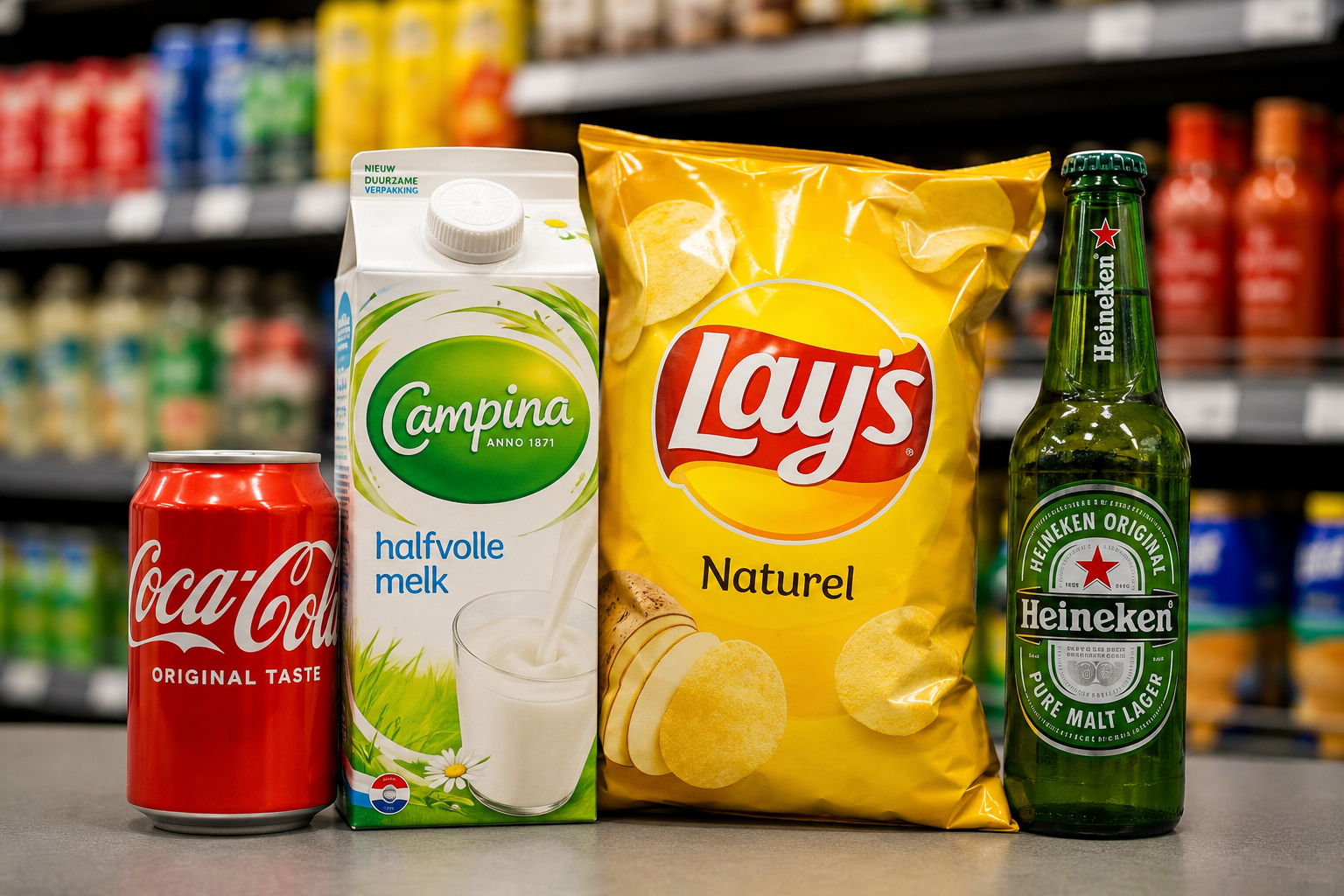
Het Supermarktmodel analyseert verpakkingen en producten die je in een supermarkt koopt. De AI identificeert elk fysiek onderdeel van de verpakking — fles, dop, etiket, doos, folie — en wijst per onderdeel de juiste afvalbak toe. Zo wordt de basis voor afvalreductie gelegd: inzicht in wat er werkelijk in de bak belandt. The Supermarket model analyses packaging and products bought in a supermarket. The AI identifies every physical component of the packaging — bottle, cap, label, box, foil — and assigns the correct bin per component. This lays the foundation for waste reduction: insight into what actually ends up in the bin.
Afvalcategorieën Waste categories
Toepassingen Applications
Beschikbaar op Available on
Zwerfafval
Openbare Ruimte Public Space
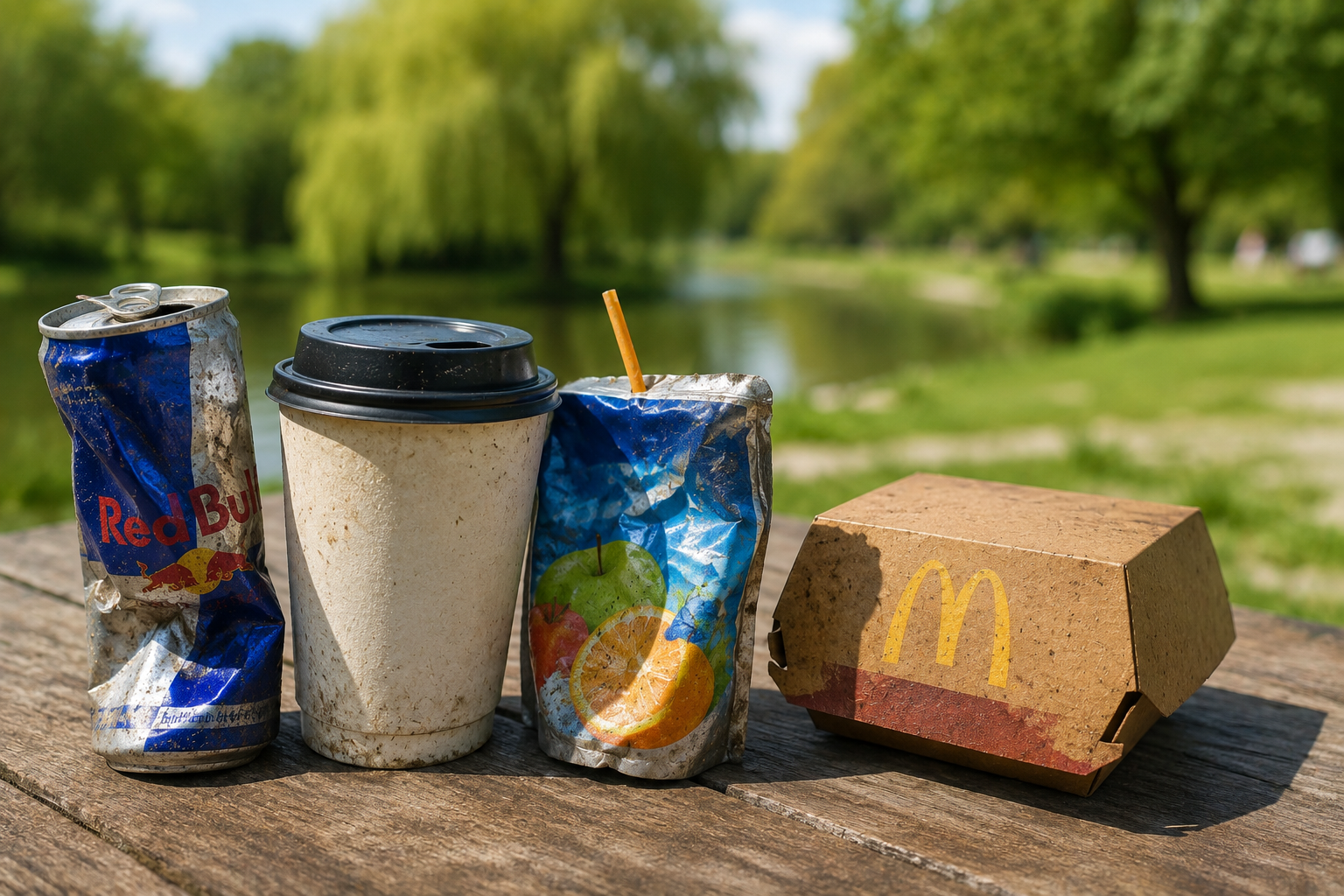
Het Zwerfafvalmodel gebruikt het internationale OSPAR/Litter-ID classificatiesysteem met meer dan 300 categorieën. Elk gevonden item wordt geclassificeerd met een OSPAR-code, wat directe vergelijking met nationale en internationale monitoringdata mogelijk maakt. Het model is ontwikkeld in samenwerking met de methoden uit de Wageningen University Litter-ID studie. The Litter model uses the international OSPAR/Litter-ID classification system with over 300 categories. Each found item is classified with an OSPAR code, enabling direct comparison with national and international monitoring data. The model was developed using methods from the Wageningen University Litter-ID study.
Afvalcategorieën (selectie) Waste categories (selection)
Toepassingen Applications
Beschikbaar op Available on
Algemeen General
Universeel Universal
Het Algemene model herkent alle soorten afval en producten: verpakkingen, voedselresten, elektronica, speelgoed, gereedschap, kleding en textiel. Geschikt voor locaties met gemengd afval waar één model alle stromen moet dekken. Biedt direct inzicht in de meest impactvolle stappen naar afvalreductie. The General model recognises all types of waste and products: packaging, food residues, electronics, toys, tools, clothing and textiles. Suitable for locations with mixed waste where one model must cover all streams. Provides direct insight into the most impactful steps towards waste reduction.
Afvalcategorieën Waste categories
Toepassingen Applications
Beschikbaar op Available on